

After physical therapy, many people still need support
Finishing physical therapy can be a big milestone, but it does not always mean a person feels fully confident with exercise. Many people are discharged with better function than when they started, yet still feel unsure about how to rebuild strength, return to workouts, or stay consistent at home.
That is where continuation training can help. It is fitness coaching after discharge, focused on strength, mobility, confidence, and routine. It is not a replacement for physical therapy, medical care, diagnosis, or treatment. It is a bridge into regular fitness when the medical phase is complete or when a medical provider has cleared someone for exercise.
The role of continuation fitness coaching
Continuation training starts with the question: what can you safely and confidently do now, and what do you want to build toward? The answer may include basic strength, balance practice, mobility work, walking capacity, home exercise consistency, or confidence with everyday movements.
The coach's role is to help build a practical plan and adjust it based on ability level. That may mean using lighter resistance, slower tempos, supported positions, shorter sessions, or extra practice with form. Progress can be gradual and still be meaningful.
Keeping the scope clear
Sound Fitness does not replace physical therapy or medical care. A trainer should not diagnose injuries, treat symptoms, promise recovery, or override instructions from a physician or physical therapist. If there are new symptoms, a flare-up, or medical questions, those should go back to the appropriate healthcare professional.
Clear scope protects the client. Fitness coaching can support general strength, mobility, and consistency, but medical decisions belong with medical providers. When everyone stays in their lane, the client gets better support.
Why home can be a good next step
After discharge, the gym may feel like too much too soon. Home can be calmer. The environment is familiar, the equipment is simple, and the coach can help build a routine around the space where the client actually lives.
For clients in Bellevue, Redmond, Kirkland, Seattle, Burien, Renton, Shoreline, Everett, Sammamish, and nearby communities, at-home coaching also removes the commute. That makes it easier to stay consistent during a season when confidence may still be rebuilding.
What sessions may include
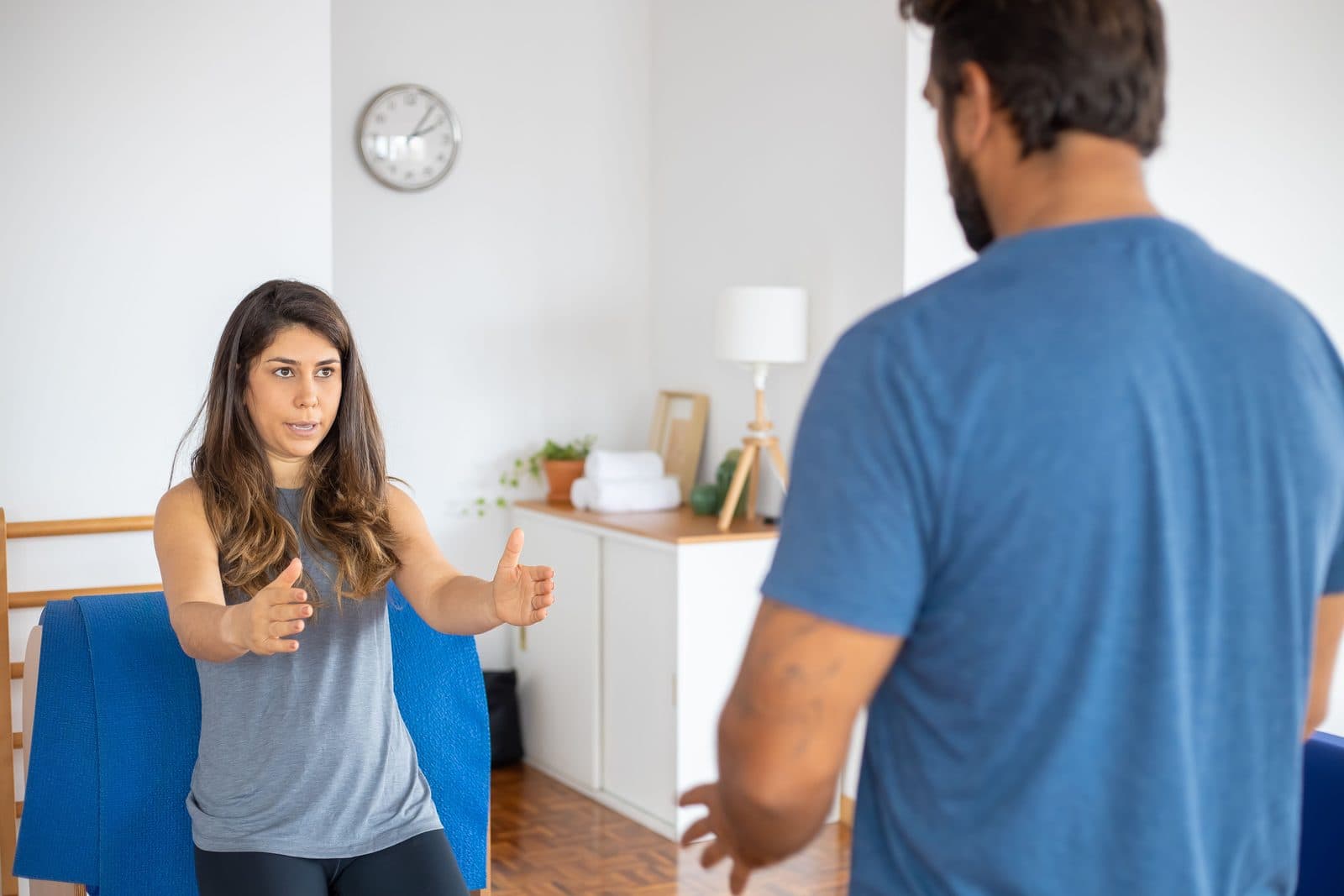
A continuation training session may include a gentle warmup, strength exercises, mobility drills, balance practice, and simple homework for the days between sessions. Exercises are selected based on the client's goals, current ability, and available equipment.
The plan may look simple at first, and that is often a good thing. A few well-chosen movements done consistently can build more trust than an ambitious program that feels confusing or stressful. Confidence grows when the client knows what to do and why it matters.
Building confidence over time
The transition after physical therapy is often about more than strength. It is also about trust: trusting your body, trusting a routine, and trusting that exercise can be part of life again without feeling random or intimidating.
If you have been discharged from physical therapy and want help with the next fitness step, Book a Free Intro Session. Sound Fitness can talk through your goals, current comfort level, and whether continuation training at home is the right fit.
Card 1 of 616