
Start with versatile tools
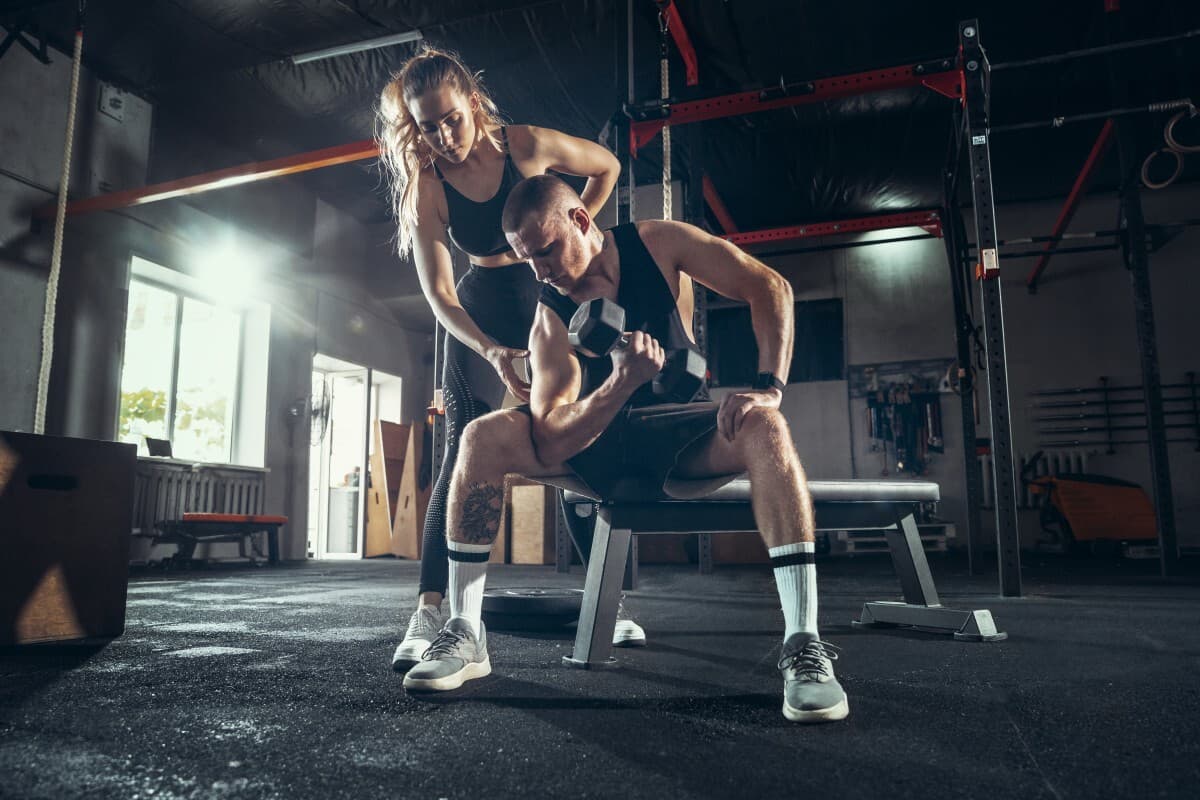
The most useful home equipment is usually simple: dumbbells, resistance bands, a mat, a sturdy chair, a step, or sliders. These tools create many options without taking over the home.
More equipment can help, but it is not the starting requirement for good training.
Use what you already have
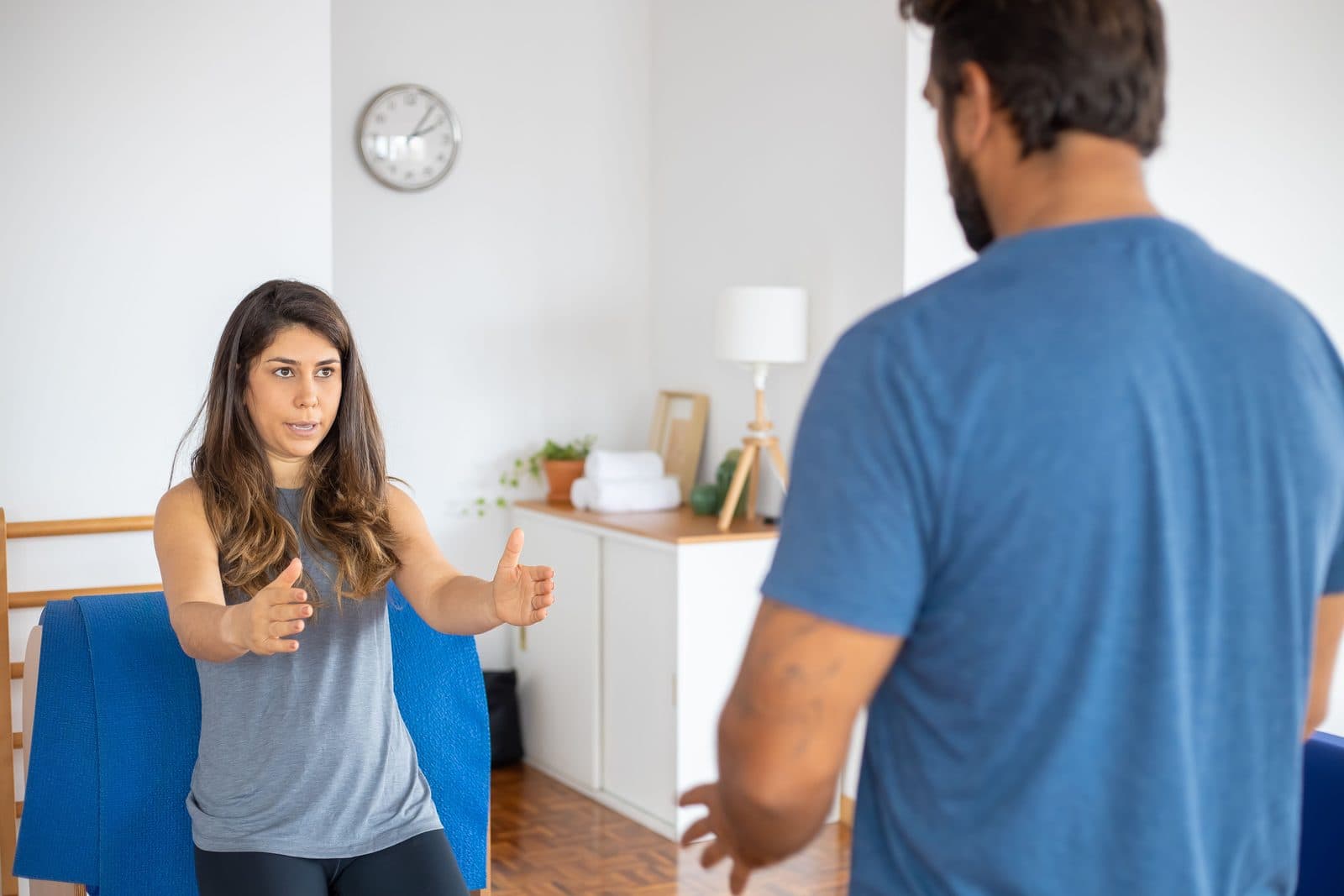
Stairs can support step-ups. A wall can support balance drills. A chair can help with squats and supported strength work. Open floor space can handle core, mobility, and bodyweight training.
A coach can turn normal home features into useful training anchors.
Add equipment only when it earns a place
Before buying gear, ask what problem it solves. Does it make progression easier, save space, improve comfort, or help you repeat the plan?
If not, it can wait.
Make storage part of the plan
Equipment that is easy to store and access is more likely to be used. The plan should fit your space, not make your home feel like a storage unit.
Sound Fitness can recommend simple gear during or after the free assessment.
Card 1 of 414